Share


Two nations bound by history.
The new British High Commission at 140 Sussex Drive, Ottawa, embodies the enduring partnership between Canada and the United Kingdom—two nations bound by history and united in their commitment to democracy, human rights, peacekeeping, climate action, and inclusive societies.
Designed to house the offices of the High Commissioner and Deputy High Commissioner, along with Consular, Immigration, Defence, and other departmental representatives, the 3,284-square-metre facility consolidates UK diplomatic operations on one site and provides a modern, secure, and sustainable home for its mission in Canada.
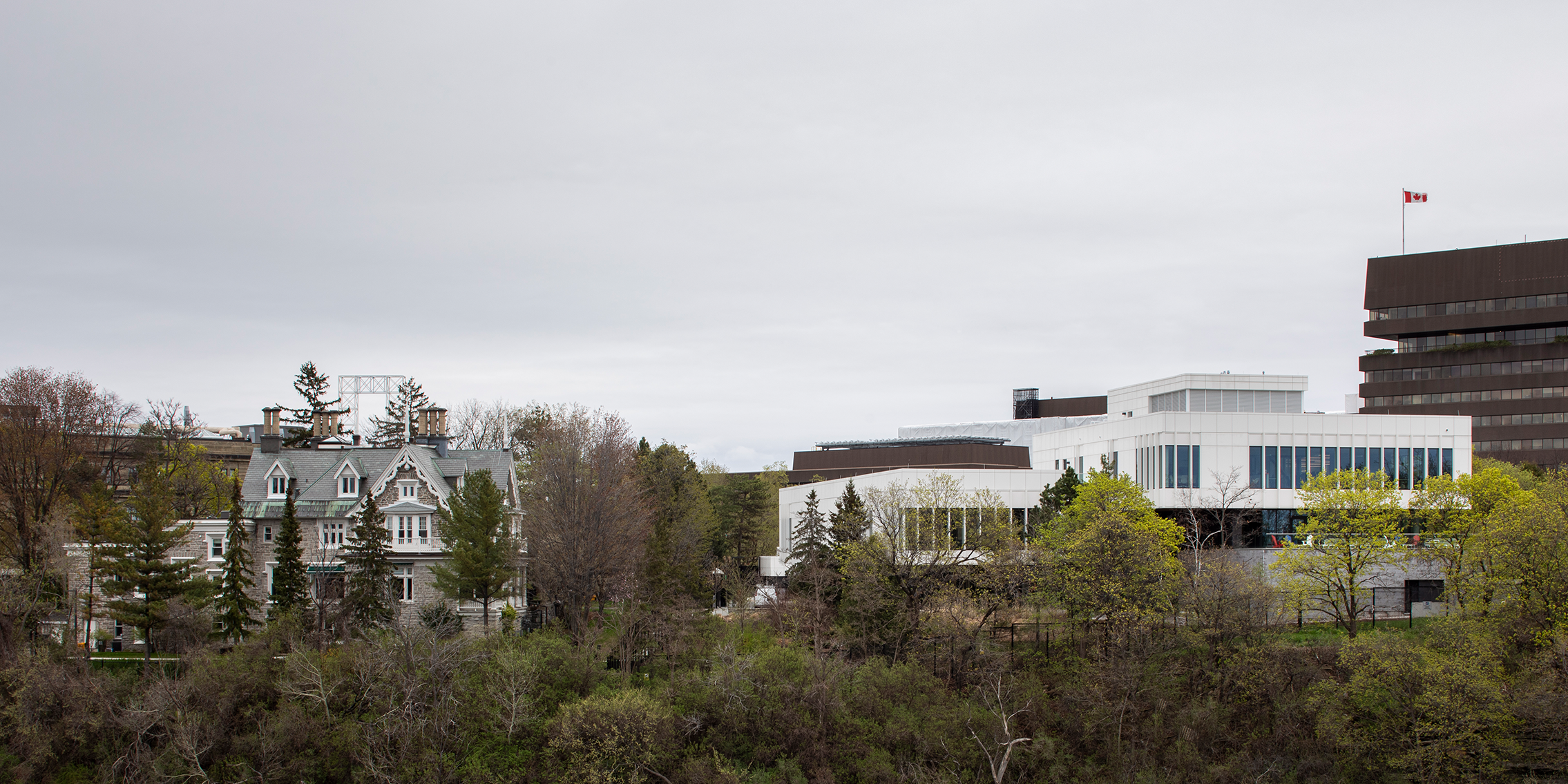
The building is located on the grounds of Earnscliffe, a National Historic Site and the former residence of Canada’s first Prime Minister, Sir John A. Macdonald. Since 1930, Earnscliffe has been home to successive British High Commissioners. The new building sits respectfully alongside this Gothic Revival landmark, balancing heritage preservation with the evolving functional needs of UK diplomacy. The project reinforces the High Commission’s presence on Confederation Boulevard, Ottawa’s ceremonial route connecting the Prime Minister’s and Governor General’s residences with the Parliamentary Precinct, and surrounded by embassies and national institutions.
Two nations bound by history.
The new British High Commission at 140 Sussex Drive, Ottawa, embodies the enduring partnership between Canada and the United Kingdom—two nations bound by history and united in their commitment to democracy, human rights, peacekeeping, climate action, and inclusive societies.
Designed to house the offices of the High Commissioner and Deputy High Commissioner, along with Consular, Immigration, Defence, and other departmental representatives, the 3,284-square-metre facility consolidates UK diplomatic operations on one site and provides a modern, secure, and sustainable home for its mission in Canada.
The building is located on the grounds of Earnscliffe, a National Historic Site and the former residence of Canada’s first Prime Minister, Sir John A. Macdonald. Since 1930, Earnscliffe has been home to successive British High Commissioners. The new building sits respectfully alongside this Gothic Revival landmark, balancing heritage preservation with the evolving functional needs of UK diplomacy. The project reinforces the High Commission’s presence on Confederation Boulevard, Ottawa’s ceremonial route connecting the Prime Minister’s and Governor General’s residences with the Parliamentary Precinct, and surrounded by embassies and national institutions.
Architecturally, the design draws inspiration from the site’s geography, perched on a promontory overlooking the Ottawa River. The concept emphasizes overlapping viewpoints—framing Parliament Hill, the Quebec shoreline, and the site’s mature landscape—while creating strong connections between people, place, and nature. A limestone base grounds the structure, while white masses cantilever above to provide shading, passive solar control, and covered outdoor areas. Careful attention was paid to scale: the building steps down toward Earnscliffe and up toward Sussex Drive, mediating between the pastoral heritage grounds and the larger civic buildings nearby.
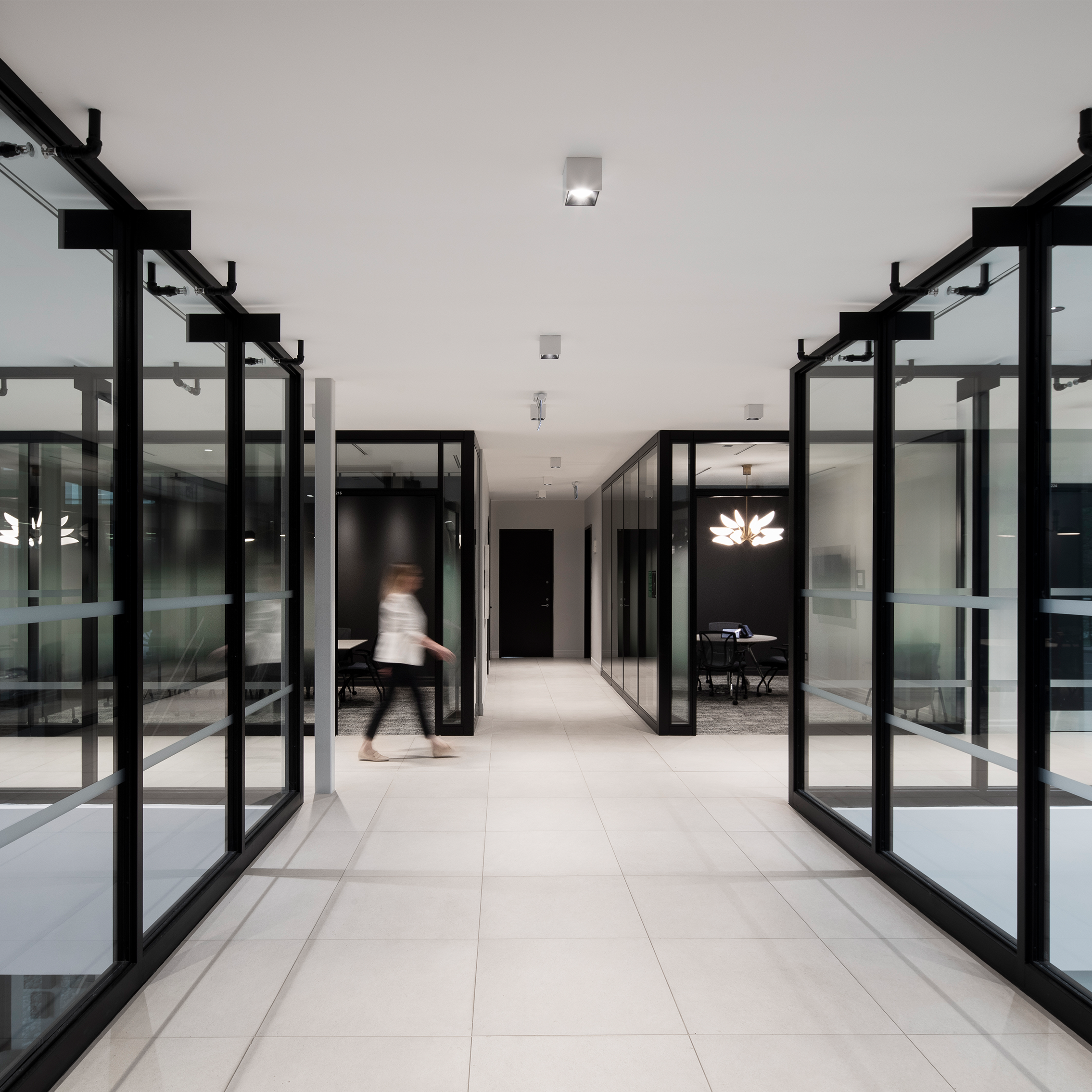
Programmatically, the building is organized vertically. It features open offices, meeting rooms, and collaboration areas with treetop views, as well as a flexible multi-purpose space with a terrace, consular services, and support facilities. At ground level, a welcoming lobby offers clear views of the landscape. The entrance is thoughtfully aligned with Earnscliffe’s front door, establishing a sense of connection while maintaining respectful deference through its lower elevation.
The project achieved LEED Gold certification, prioritizing passive design strategies, high-performance insulation, daylighting, and occupant well-being. Cantilevered volumes and vertical fins mitigate solar gain, while expanded tree cover enhances shading and ecological resilience. Minimal hardscaping and native planting strategies maintain Earnscliffe’s garden character, while an adjacent National Capital Commission parkland was enhanced with woodlot expansion, naturalized plantings, and public pathway reinstatement.
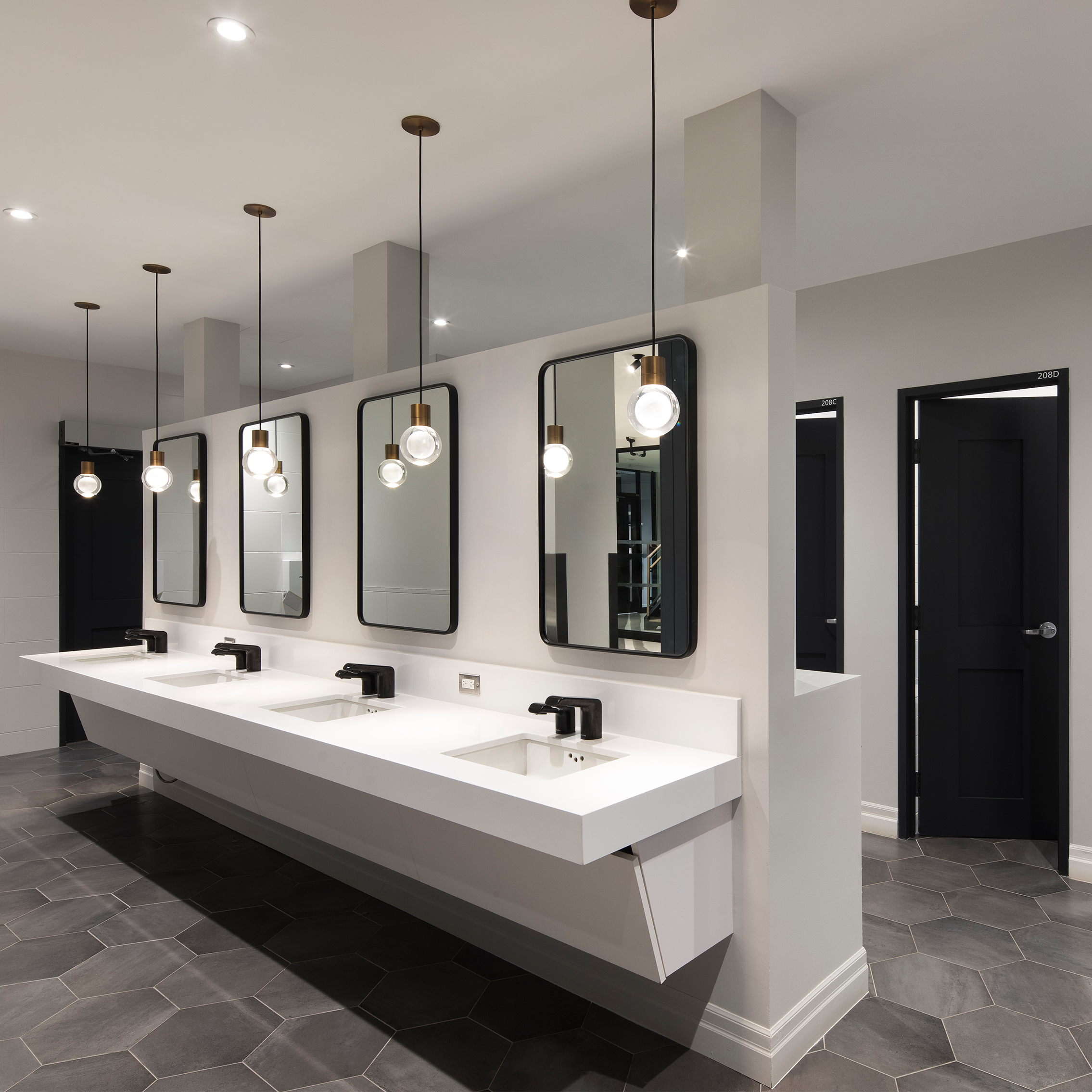
Beyond performance and heritage, the design reflects contemporary values of inclusion and openness. Gender-inclusive washrooms, biophilic workspaces, and integrated art and cultural programs embody a progressive definition of “Britishness,” moving beyond stereotypes to represent diversity, tolerance, and innovation. Reclaimed Ottawa River maple, historically linked to the Royal Navy, subtly ties the building to both UK and Canadian history through sustainable reuse.
Now fully operational, the British High Commission serves as a symbol of shared values and a future-ready platform for collaboration, diplomacy, and dialogue between Canada and the United Kingdom.
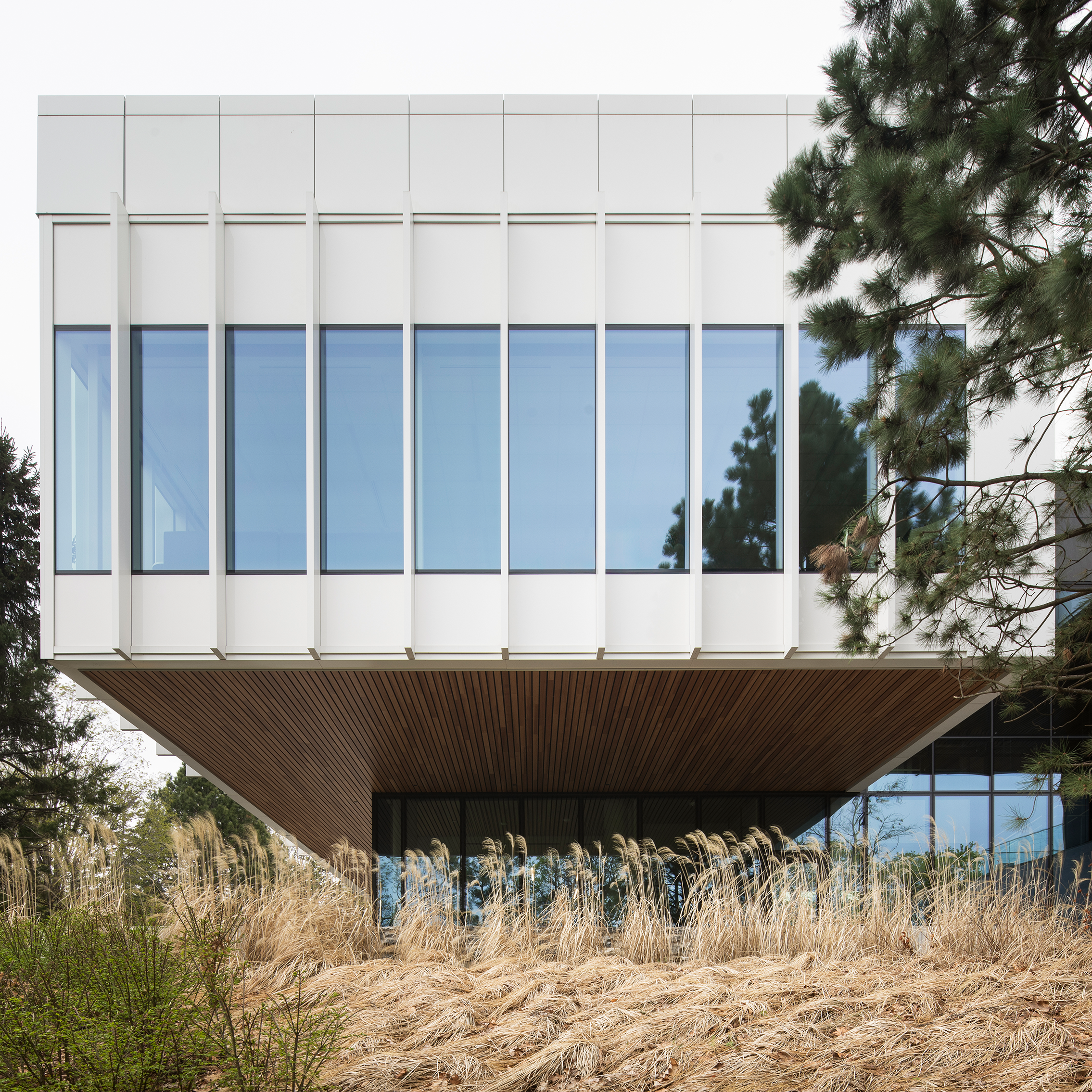
Image Courtesy of Adrien Williams Photography.